Bobby Knight Children: Meet His 2 Children

Olivia Shea
Updated on January 06, 2026
Bobby Knight Children: Meet His 2 Children – Bobby Knight was a renowned American men’s college basketball coach whose formidable presence on the sidelines earned him the moniker “the General.”
Born on October 25, 1940, with a career that left an indelible mark on the sport, Knight boasted an impressive record, securing his place in basketball history.
Bobby Knight Children: Meet His 2 Children
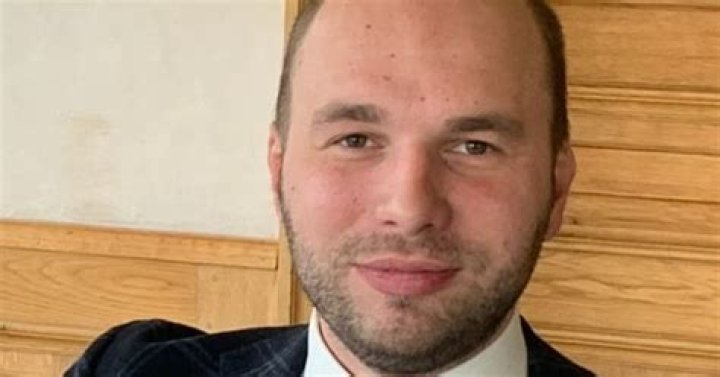
Bobby Knight was the proud father of two sons, Pat Knight and Tim Knight, both of whom shared a familial connection to the world of basketball. Pat, the elder of the two, had a notable college basketball career, playing for Indiana from 1991 to 1995, where he undoubtedly inherited his father’s love for the game.
Pat Knight’s connection with basketball extended into his coaching career. Following his father’s retirement, he assumed the role of head coach at Lamar, where he continued to carry the torch for the sport. He later ventured into coaching at Texas Tech, following in his father’s footsteps in more ways than one.
Bobby Knight’s coaching journey encompassed several prestigious institutions. He helmed the Indiana Hoosiers from 1971 to 2000, steering the team to numerous triumphs during his tenure. He also took the reins as the head coach of the Texas Tech Red Raiders from 2001 to 2008 and the Army Black Knights from 1965 to 1971.
His remarkable coaching acumen became evident during his time at Army, where he led the Black Knights to four post-season tournament appearances in just six seasons. This impressive achievement reflected his ability to guide his teams to success.
However, it was during his tenure at Indiana that Knight truly etched his name in the annals of basketball history. He led the Hoosiers to three NCAA championships, one National Invitation Tournament (NIT) championship, and a remarkable 11 Big Ten Conference championships. The pinnacle of his career came during the 1975-76 season when his team achieved an undefeated regular season and clinched the 1976 NCAA tournament.
Knight’s exceptional coaching prowess was acknowledged with numerous awards, including National Coach of the Year honors on four occasions and Big Ten Coach of the Year accolades an impressive eight times. His influence even extended to the international stage, as he coached the U.S. men’s Olympic team to a gold medal in 1984, a feat achieved by only three basketball coaches in history.
Knight’s legacy extended beyond his wins and championships. He was widely recognized for popularizing the motion offense, a strategic approach that influenced the game of basketball. However, his coaching career was not without controversy. Knight’s outspoken nature and moments of volatility, such as throwing a chair across the court during a game, his arrest following a physical confrontation with a police officer, and verbal conflicts with members of the press, sparked headlines and debates.
The pinnacle of controversy came when Bobby Knight was accused of choking an Indiana player during a practice, an incident captured on video. In response, the university implemented a “zero tolerance” policy specifically for Knight. Following another incident involving a student, Knight was terminated from his position in the fall of 2000.
Despite these controversies, Bobby Knight’s legacy endured, and he continued his coaching career at Texas Tech, where he largely managed his role without incident from 2001 to 2008. During his seven full seasons with the Red Raiders, his teams qualified for post-season tournaments five times. He eventually retired in the midst of the 2007-2008 season and was succeeded by his son, Pat Knight.
Knight’s impact on the world of college basketball was immeasurable, and he remained “the object of near fanatical devotion” for many of his former players and Indiana fans.
In 2008, Knight transitioned to a new role as a men’s college basketball studio analyst for ESPN, providing expert analysis during Championship Week and NCAA Tournament coverage. He continued to be a prominent figure in the world of college basketball, offering his insights and expertise until the 2014-15 season.